Eight days before Election Day, the Justice Department wants California to set aside about 20,000 ballots over citizenship questions. Secretary of State Shirley Weber said no. Here’s what it means for you, and how to make sure your vote counts.
SAN FRANCISCO — The list came on a thumb drive. The password was on a sticky note.
That’s how the U.S. Department of Justice delivered roughly 20,000 names of California voters it says may not be citizens, according to California Black Media. Los Angeles County’s registrar wouldn’t open it.
“We do not consider the device a secure medium,” Registrar-Recorder Dean C. Logan said.
The Justice Department gave the state 48 hours to check the names, according to CalMatters. Then it sued, asking a federal court to make California set aside those voters’ mail ballots before they’re counted.
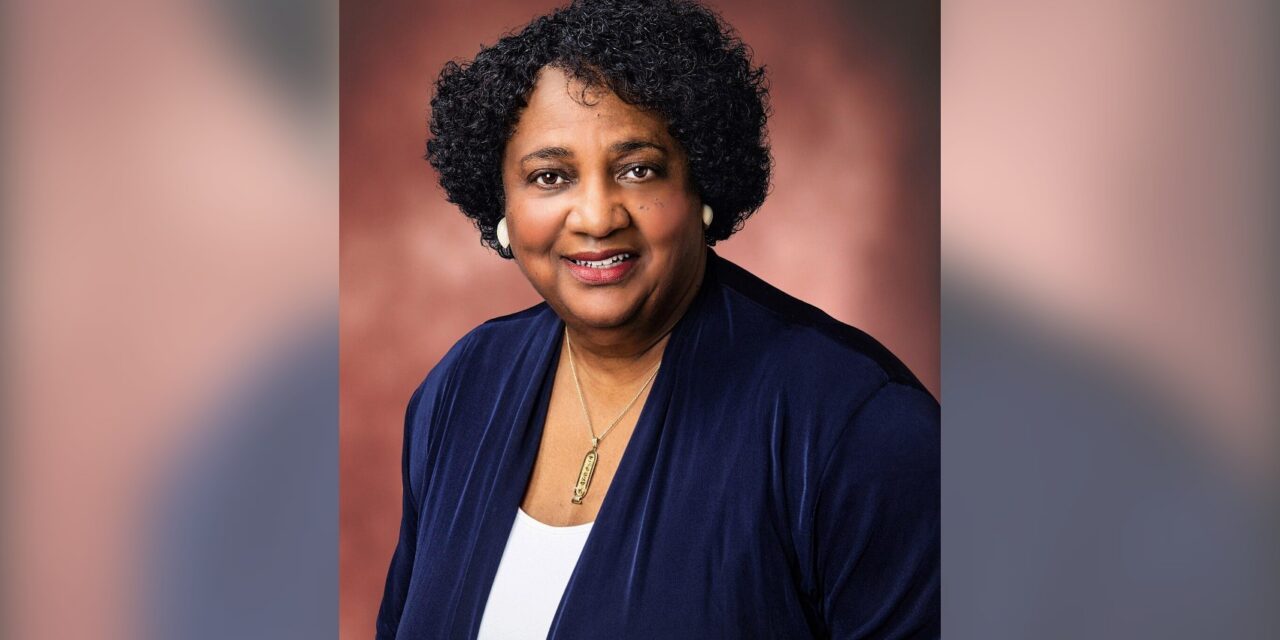
California Secretary of State Shirley N. Weber refused. She told the federal government voting was already well underway.
“California has robust state law requirements that only U.S. citizens can register to vote,” Weber said in an Oct. 14 statement.
What the federal government says
Federal prosecutors charged 28 green card holders in California on Oct. 19 and alleged that 22 of them voted in at least one election, CalMatters reported. A Justice Department lawyer told the court the list was built from public voter rolls checked against other government databases, and called 20,000 “just the floor.”
What California says
Attorney General Rob Bonta said the lawsuit “borders on the absurd.” He noted the 28 arrests amount to a tiny sliver of the state’s roughly 23 million registered voters.
“At worst, it threatens to disenfranchise thousands of Californians this election,” Bonta wrote in the state’s court filing.
When Los Angeles County officials checked a sample of 200 names from the list, they said many appeared to be citizens, and most hadn’t voted or been sent a ballot, according to CalMatters. In Nevada, federal officials claimed about 16,000 noncitizens on the rolls and sent 185 names. All 185 turned out to be citizens.
Where it stands now
A federal district judge declined to rule right away on the government’s request. So the Justice Department went over the judge’s head and straight to the counties.
On Friday, Oct. 23, it sent letters to county elections offices across California demanding they set aside ballots from the flagged voters within 48 hours, and threatened criminal punishment for refusing, according to published reports of Sunday’s court hearing.
On Sunday, a three-judge panel of the 9th U.S. Circuit Court of Appeals held a rare weekend hearing on the government’s emergency appeal. The judges didn’t rule, but they sounded doubtful.
“I don’t see how we have jurisdiction,” said Judge Mark J. Bennett, a Trump appointee, noting the lower court had promised to rule quickly.
No court has ordered any ballots set aside. Ballots are still being counted. More than 3 million Californians have already voted.
Question 1: Does this affect me?
Nobody outside the federal government has seen the whole list, so no one can say for certain who’s on it. Friday’s letters went to counties statewide, so San Francisco and Alameda County election offices were likely among them, though neither had been named in published reports as of Sunday.
What hasn’t changed: if you’re a U.S. citizen and you’re registered, you have the right to vote. No court has ordered any ballots set aside.
But the people who get hurt by sloppy lists are usually eligible voters: naturalized citizens, people who moved, people whose names get spelled two different ways in two different databases. That’s why it’s worth five minutes to check.
Question 2: How do I make sure my vote counts?
- Check your registration: voterstatus.sos.ca.gov.
- Track your mail ballot: sign up at wheresmyballot.sos.ca.gov to see when it’s sent, received and counted.
- Missed the deadline or something looks wrong? You can still register and vote in person, through Election Day, at your county elections office or any in-person voting location. That’s called same-day, or conditional, registration. Your ballot is counted once the county verifies your registration.
- Mailing your ballot: it must be postmarked on or before Nov. 3. The state recommends mailing it at least a week early. Or drop it at any California ballot drop-off location by 8 p.m. on Election Day.
- Voting in person: polls are open 7 a.m. to 8 p.m. on Tuesday, Nov. 3. Find early voting locations at caearlyvoting.sos.ca.gov.
Last week, people stood on the steps of City Hall to defend the vote. This week, the job is smaller and it’s yours. Check your registration. Track your ballot. Make sure it counts.
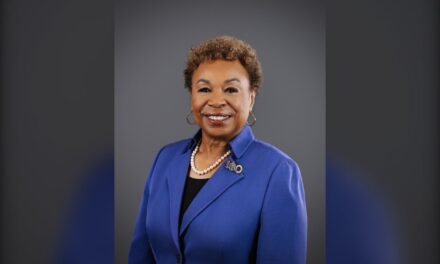
Sources: California Black Media, CalMatters, and the California Secretary of State. Photo: California Secretary of State Shirley N. Weber. Official portrait, California Secretary of State, via Wikimedia Commons, public domain.
Support 82 years of Black Bay Area journalism. Our stories are free to read. A $20-a-year subscription keeps them coming.