SAN FRANCISCO — The numbers are finally going the right way. San Francisco is on pace for its fewest overdose deaths since 2019, and in July the city recorded the fewest in a single month since it started counting monthly in 2020.
But the good news has not arrived evenly. Black San Franciscans are still dying at 5.5 times the rate of everyone else, the city’s public health director said this spring.
“That disparity hasn’t decreased along with the decrease in deaths,” Dr. Daniel Tsai said.
From January through August, the Office of the Chief Medical Examiner counted 351 accidental overdose deaths, about 24% fewer than the 460 in the same months of 2025. Last year’s total, 621, was already down by nearly a quarter from the 2023 peak of 810. Those are real lives saved. The question for this community is whose.
Five percent of the city, a quarter of the deaths
Black residents are about 5% of San Francisco. Over the last six years they have accounted for more than a quarter of the city’s overdose deaths, according to an analysis of medical examiner data by the San Francisco Examiner, and nearly 30% in 2023 and 2024.
One generation has carried the heaviest weight. Black men born between 1951 and 1970 made up 12% of the city’s overdose deaths from 2020 through late 2024 while making up less than 1% of the population, KQED reported — a disparity greater than in any other major American city.
Housing is part of the story. Dr. Phillip Coffin, the health department’s director of substance use research, has found that the racial gap largely disappears when people who are or were recently homeless are taken out of the numbers, KQED reported. And the deaths are concentrated where unhoused people are: nearly four in five overdose deaths last year happened in four ZIP codes — the Tenderloin, South of Market, the Nob Hill-Polk corridor and the Mission — with the Tenderloin alone accounting for almost a quarter.
“African Americans in our city die from overdoses at a rate five times higher than other demographic groups,” Mayor Daniel Lurie said at the city’s first Overdose Prevention Summit in January 2025.
The drug test strips can’t see
The newest danger on San Francisco’s streets is called cychlorphine. It is a synthetic opioid, chemically different from fentanyl and as much as 10 times stronger, and the city’s first confirmed death from it came in April. He was 16. He thought he was taking a Xanax.
“Importantly, it’s not detected on the available fentanyl test strips that are out there,” Coffin said at the time. The health department says no test strip on the market can identify it yet. San Francisco AIDS Foundation sites can test drug samples for it, on limited hours.
Officials warn that reversing a cychlorphine overdose with naloxone — Narcan — may take more than one dose. A federal drug agent told ABC7 it can be mixed into or sold as other drugs, including cocaine. Police announced four arrests in September of people allegedly tied to its sale.
Health officials are also tracking medetomidine, an animal sedative that has spread through the drug supply in the Northeast and Midwest. The state calls it “relatively rare” in California so far, and the medical examiner counted one death involving it in San Francisco through May. Because it is not an opioid, Narcan won’t reverse its sedation — but it can still restore breathing if fentanyl is also in the mix.
What the city is doing, and for whom
Lurie has moved City Hall toward recovery first. In May 2025 he signed Supervisor Matt Dorsey’s ordinance making long-term recovery the city’s main goal in drug policy, and the city stopped handing out smoking supplies unless they come with a path to treatment.
In May the city opened the RESET Center at 444 Sixth St., where police can bring people picked up for public intoxication instead of taking them to jail. About 650 people were brought there by July, and about 27% agreed to some further care, such as shelter or treatment, according to the mayor’s office. The city has added more than 200 treatment and recovery beds since January 2025. At the same time, the health department is cutting about $40 million over two years, more than $1 million of it from harm reduction programs.
The work aimed squarely at Black San Franciscans is small. In March, GLIDE opened The Shop, a barbershop at 330 Ellis St. in the Tenderloin where older Black men can get a free haircut and, if they want it, a same-day referral to medication for opioid addiction. It costs about $500,000 a year, paid partly with opioid settlement money.
Theris Coats Sr. started Brothers Against Drug Deaths after his son died of an overdose in a San Francisco jail in March 2025. The group works in the Tenderloin, with a focus on Black and underserved communities.
“It takes a whole community,” Coats said. “Together, we can stop some of this from happening.”
What you should know
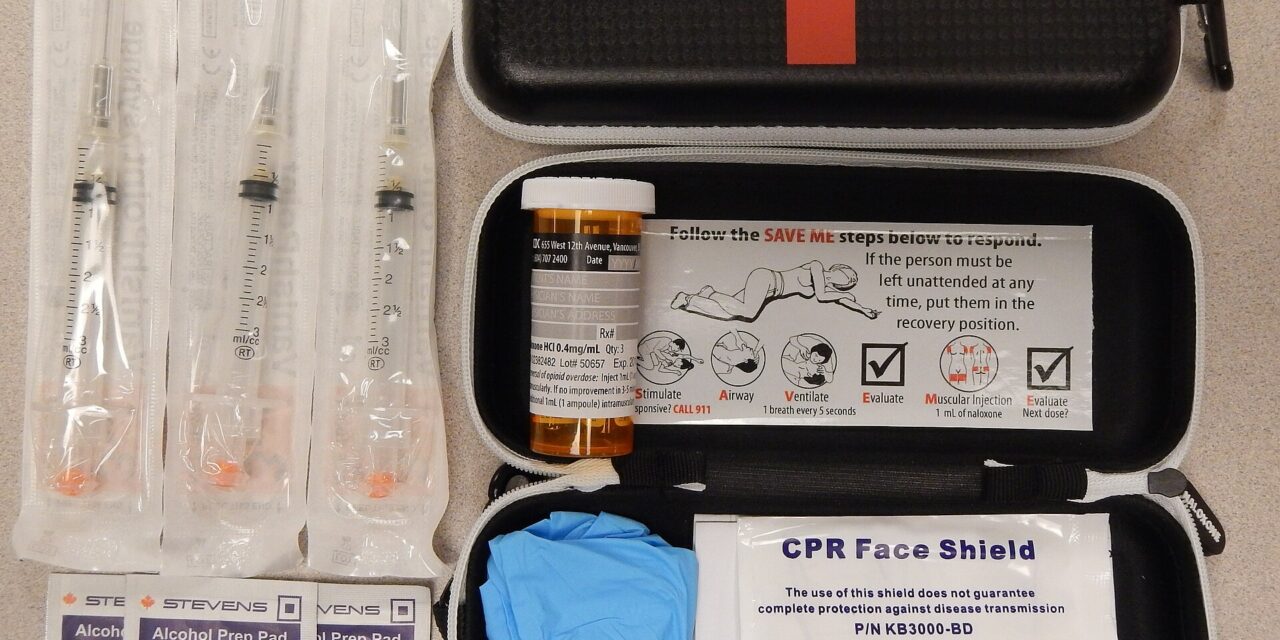
- Get Narcan for free. The Behavioral Health Services Pharmacy, 1380 Howard St., first floor, gives out free naloxone nasal spray with a short training, plus up to 10 fentanyl test strips. Weekdays 9 a.m.-6:30 p.m.; weekends 9 a.m.-noon and 1-4:30 p.m. Churches and community groups can request naloxone at overdoseprevention@sfdph.org.
- Test strips have limits. They will not catch cychlorphine. Health officials urge people to avoid counterfeit pills.
- Know the signs: tiny pupils; drowsiness or unconsciousness; slow, weak or no breathing; choking or gurgling sounds; a limp body; cold or clammy skin; blue or discolored lips and nails.
- If you see it: call 911 and give Narcan. If you’re not sure, treat it as an overdose. If there’s no response in one to three minutes, give a second dose. Lay the person on their side and stay until help arrives.
- You’re protected. California’s Good Samaritan law shields people who give emergency care at the scene, including Narcan, from civil liability.
Overdose figures from the San Francisco Office of the Chief Medical Examiner and the Department of Public Health. Reporting from The San Francisco Standard, the San Francisco Examiner, KQED, Mission Local, MindSite News, Hoodline and ABC7 contributed to this story.