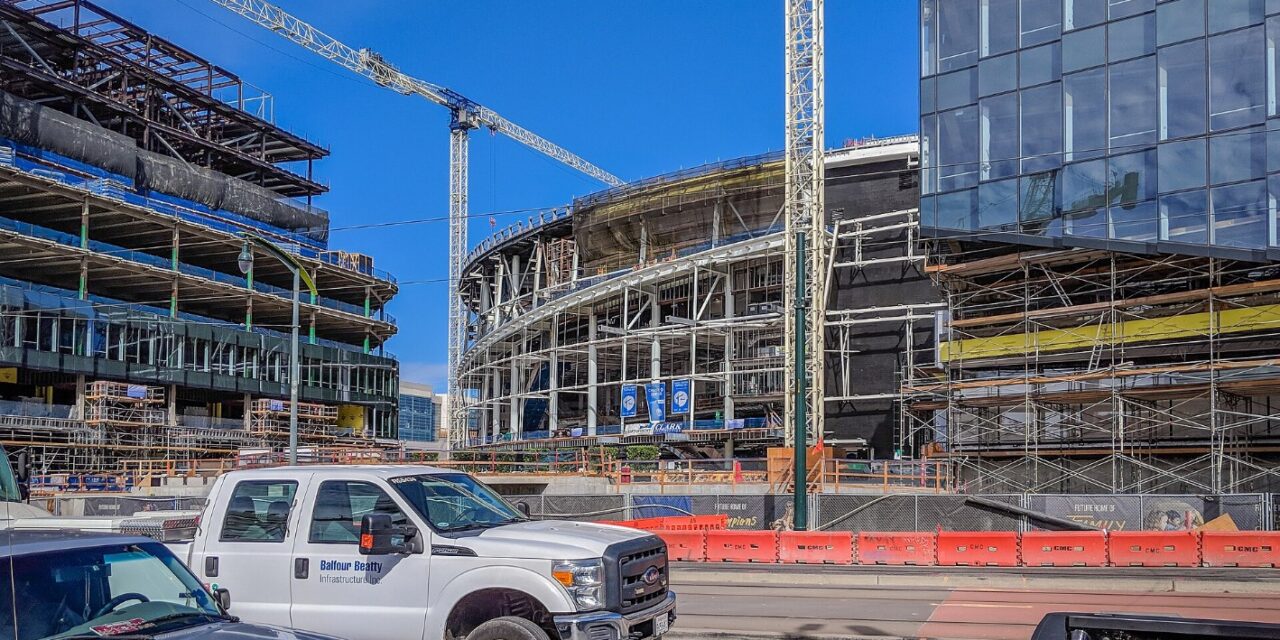
San Francisco is building again. The city put it in writing.
The 2026 Local Hire for Construction annual report covers 2025. It counts 319 city-backed projects and 4.3 million hours on the job. Hours on public works projects rose 11 percent. San Francisco residents worked 35 percent of all the hours, up five points in a year. Among apprentices, residents worked more than half.
That is the law working. Then comes the page marked Worker Demographics.
The city’s own numbers
The report lists the share of workers who are African American. Department by department:
- Public Utilities Commission, 5,754 workers: 4.8 percent
- Municipal Transportation Agency, 246 workers: 4.6 percent
- San Francisco International Airport, 4,056 workers: 3.6 percent
- Public Works, 5,008 workers: 3.4 percent
- Mayor’s Office of Housing and Community Development, 3,849 workers: 2.6 percent
- Private projects on city-owned land, 157 workers: 2.4 percent
- Port of San Francisco, 396 workers: 1.8 percent
Nobody reaches 5 percent. The city-backed housing jobs come in at 2.6. About one worker in forty.
The Census Bureau’s 2025 estimates put Black residents at 5.7 percent of San Francisco. That number is a story of its own. The job sites come in under it. All of them.
Women fare no better. Under 3 percent in every department on the list.
What the law promised
The Board of Supervisors adopted the Local Hiring Policy for Construction in December 2010. Then-Supervisor John Avalos carried it. Community leaders pushed it, a Hunters Point electrician among them. The idea was simple. The city spends public money to build. The people who live here get a share of the work. The policy covers public projects estimated at $600,000 or more.
The city also runs CityBuild, its construction training academy. Since 2006, the report says, 1,775 San Francisco residents have graduated from CityBuild and its special trainings. And 1,522 of them landed construction jobs.
So the door is there. The local numbers are climbing. The question is who walks through.
What the report does not say
The demographics table counts everyone on the job. Residents and commuters alike. It does not show how many of the local hires are Black. The CityBuild figures carry no breakdown by race. Fifteen years in, the city can say how many hours went to San Francisco residents. Its report does not say how many went to Black residents.
Those are questions for the Office of Economic and Workforce Development, which runs the program. How many Black San Franciscans worked these jobs last year? How many came through CityBuild? How many are still in the trades?
The city counted 4.3 million hours. It can count this too.
Support 82 years of Black Bay Area journalism. Our stories are free to read. A $20-a-year subscription keeps them coming.