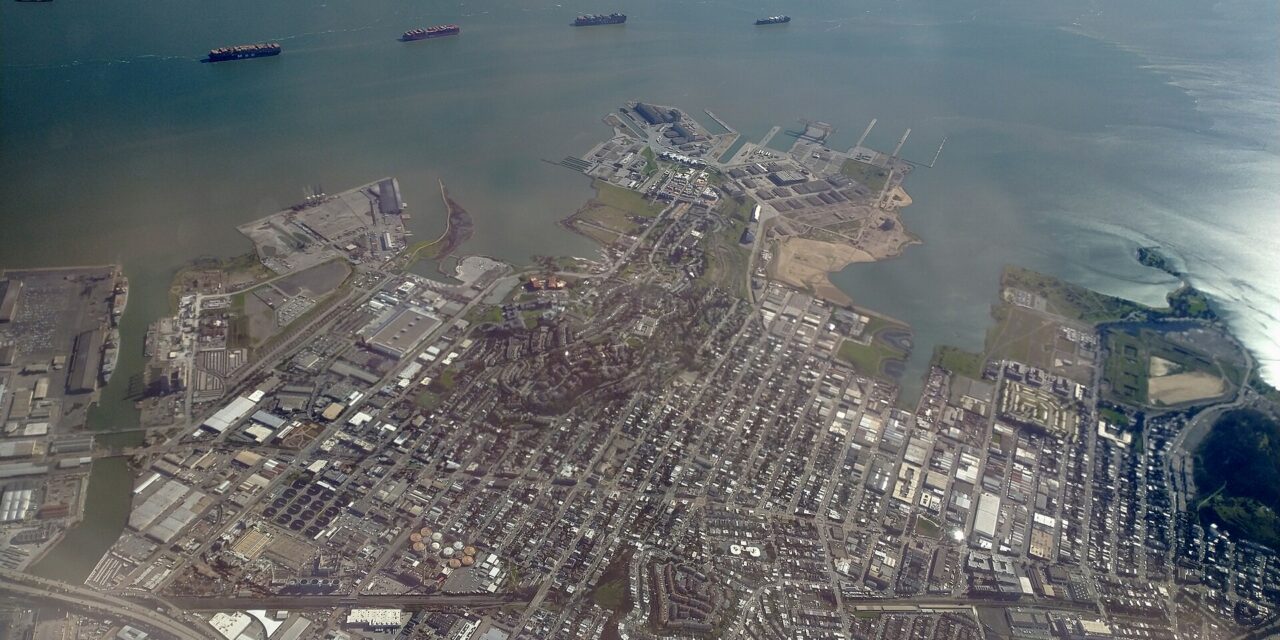
SAN FRANCISCO — The city’s power grid is close to full. Two of San Francisco’s three stand-alone data centers sit in the Bayview. And nobody will be approved to build a new one anywhere in the city for most of the coming year.
The Board of Supervisors voted unanimously Tuesday to extend San Francisco’s ban on new data centers by 10 months and 15 days past the 45-day freeze that took effect in October. Supervisor Shamann Walton, who has represented District 10 for eight years, carried it. Supervisors Jackie Fielder, Chyanne Chen and Connie Chan signed on with him.
An emergency pause just became a nearly yearlong one. It also hands the next District 10 supervisor a question that will not wait: whether the southeast side should ever host these buildings again.
What the ban covers
The city cannot approve any new data center, meaning a building that exists mainly to house computers that process, store or move electronic data. A data center that is part of some other allowed use is exempt. So is repair work on the ones already here, as long as it does not make them bigger. The Planning Department has to report back to the board within 10 months.
The ordinance says it plainly. The data centers approved under the old rules went up mostly in the Bayview and South of Market.
The southeast carries the load
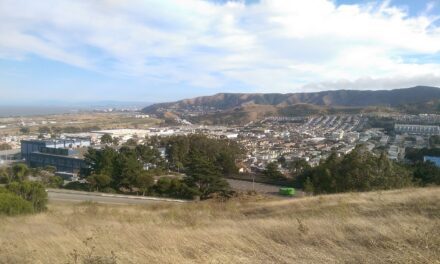
A Planning Department report released last week found data centers bunched in southeast San Francisco, where there is more industrial zoning and the air is already worse than in most of the city. Two of the three stand-alone centers city staff could identify are in the Bayview.
One of them has been written up five times this year by the Bay Area Air District. The problems were its diesel backup generators: running out of line with permit conditions, running on expired permits and running past the 35-hour limit.
The report also put a number on the power question. One 50-megawatt data center can use as much electricity as 25,000 new homes, and the city is already near the limit of the power lines that feed it. A big data center would be competing with housing, hospitals and businesses for the same electricity.
There is a lot the city still does not know. The report could not say how much water data centers use or exactly how many are running in San Francisco. City staff said no applications for new ones are pending.
In October, The Sun-Reporter reported that the Bayview is where the pause matters most. Now the city’s own study says the same thing.
Walton wants more
Supervisor Walton made his case Monday at the board’s Land Use and Transportation Committee. No applications on file, he said, is no reason to let the ban run out. The city has to look ahead. And he said it is time to think about a permanent ban.
Some cities have one. Alhambra, Monterey Park and Calexico have banned data centers for good. Oakland and Seattle have temporary bans, and Oakland extended its pause until October 2027 earlier this month.
Not everyone wants the door shut for good. The San Francisco Building and Construction Trades Council, led by Rudy Gonzalez, wrote the city to oppose a permanent ban. The building trades want clear rules for approving data centers instead, and the work that comes with building them.
What comes next
The extension now goes to Mayor Daniel Lurie. It takes effect as soon as it is enacted, whether he signs it or lets it become law without his signature.
Supervisor Walton terms out in January. Theo Ellington, who takes the District 10 seat next, called for a data center moratorium in District 10 during his campaign.
So the question in the Bayview has changed. It is no longer when data centers come back. It is whether they come back at all.
Support 82 years of Black Bay Area journalism. Our stories are free to read. A $20-a-year subscription keeps them coming.