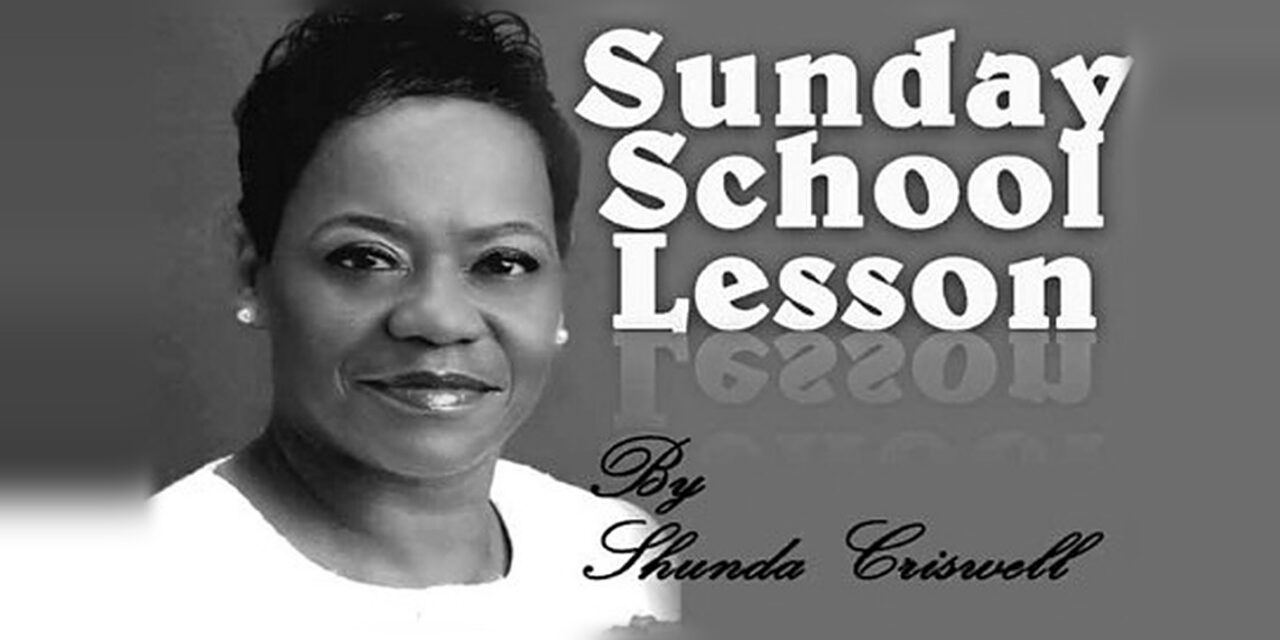
By Shunda Criswell
Lesson Text: Ecclesiastes 9:11-18
Related Scriptures: Ecclesiastes 2:12-16; 7:11-14; Proverbs 15:14-17; 16:32-17:1
Place: Jerusalem
Time: between 971 and 931 B.C.
Golden Text: “Then said I, Wisdom is better than strength: nevertheless the poor man’s wisdom is despised, and his words are not heard” (Ecclesiastes 9:16).
Solomon stands among the greatest figures in the Bible, remembered for his extraordinary wisdom. He loved the Lord and followed the decrees of his father, David, though he also offered sacrifices and burned incense at the local places of worship. The most important of those places was Gibeon, and there the king sacrificed 1,000 burnt offerings. That night the Lord appeared to Solomon in a dream and told him to ask for whatever he wanted (1 Kings 3:3-5).
Solomon answered by remembering God’s great and faithful love toward David, and how that love continued in giving David a son to sit on his throne. Then Solomon asked God for wisdom. In so many words, he asked for a discerning heart to govern God’s people (1 Kings 3:6-14).
Dr. Tony Evans teaches that our existence under the sun often looks like a roll of the dice. Whatever strength, wisdom, riches or skill a person has, time and chance happen to all (9:11). Life appears to be random, and no one knows his time (9:12). Yet we must live with an eternal perspective. Dr. Evans points us to Psalm 73 as a reminder that the story is not finished.
In Psalm 73, the psalmist admits weakness. His feet had almost slipped. He saw the prosperity of the ungodly and was envious of the wicked, who never seemed to suffer for their wrongdoing (see verses 4-14). Life did not seem fair. Still, the psalmist begins on a positive note, declaring that God is good to Israel, to those who are pure in heart (Psalm 73:1).
The divine perspective on life is essential because under the sun, everything is the same for everyone. There is one fate for the righteous and the wicked (9:2). Life is unpredictable, and death is inevitable for all (9:2-3). That is the one common denominator for every person. Any day can lift us up or bring us low. Repeat it: life is unpredictable, and death is inevitable for all.
Solomon makes it plain. In light of this reality, he returns to the counsel he gives again and again (see 2:24; 3:12-13; 5:18; 8:15): eat with pleasure, drink with a cheerful heart, enjoy life, and whatever your hands find to do, do it with all your strength. Live fully the life God gives you. As Dr. Evans puts it, “You don’t need to chase misery; it knows where you live.” Since we do not know what tomorrow will bring, we should enjoy the legitimate pleasures of each day, for God “giveth us richly all things to enjoy” (1 Timothy 6:17). But do not seek enjoyment apart from Him.
Christian believers understand that time and chance make life under the sun hard to figure out. The author Kidner observed that time and chance belong together because both have a way of taking matters suddenly out of our hands.
How fitting, then, is Psalm 73. It explores the crisis of faith that comes when a believer watches wicked people prosper and live well while the righteous suffer. Written by Asaph, the psalm gives an unpolished look at human envy, spiritual doubt and the restoration of trust through an eternal perspective. Asaph admits that he looked at arrogant and violent people and saw them free from burdens, pain and struggle. But his demeanor changed when he entered the presence of the Lord God in worship. Amen! His view changed from looking at people to looking at God. He repented of his bitterness and his foolishness. He concludes that being close to God is far better than earthly prosperity, and by all means outweighs it.
Be Blessed!
Support 82 years of Black Bay Area journalism. Our stories are free to read. A $20-a-year subscription keeps them coming.