By Sun-Reporter Staff
SAN FRANCISCO — The city that calls itself the capital of artificial intelligence has stopped, for 45 days, building the warehouses that run it.
Mayor Daniel Lurie on Friday signed a moratorium on new data center development, a measure introduced by District 10 Supervisor Shamann Walton and passed unanimously by the Board of Supervisors the week before. For the next 45 days, the Planning Department is to study what data centers do to the neighborhoods around them — electricity costs, water use, noise, truck traffic — and draft rules for permitting them. The ordinance would have taken effect without the mayor’s signature; Lurie chose to sign it, saying the city would use the window to build a framework that keeps power rates down while remaining “the national leader in innovation.”
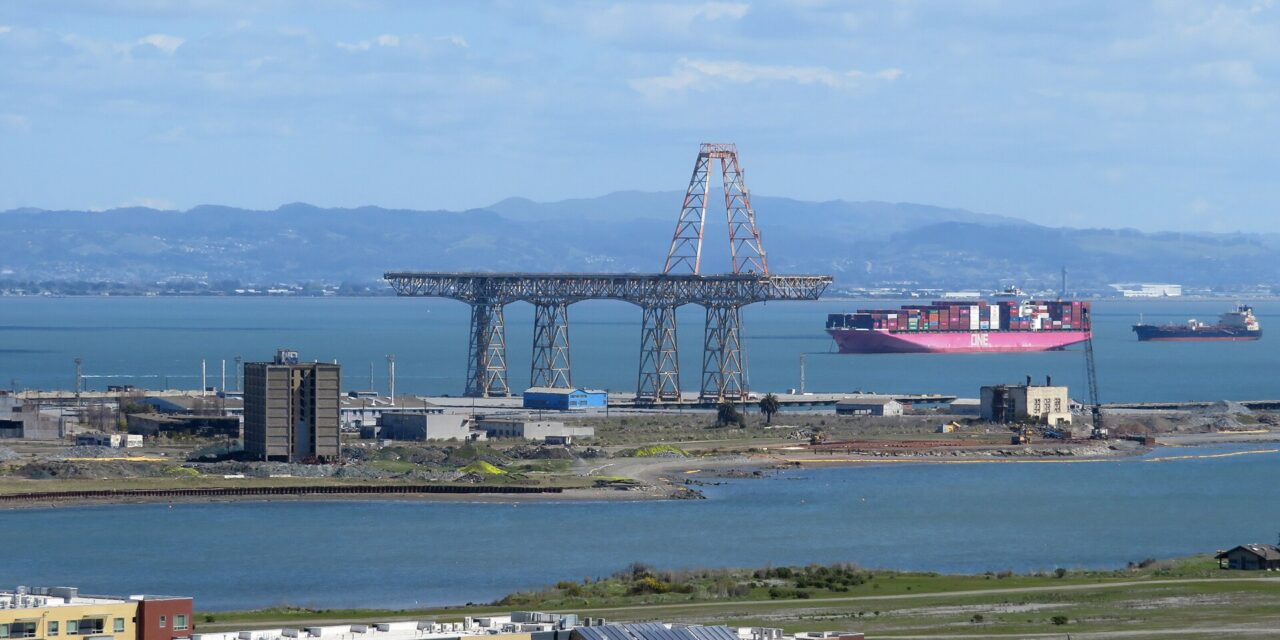
The reason the pause matters in these pages is geography. San Francisco has at least six data centers. Two are in Bayview-Hunters Point, the most heavily industrial-zoned neighborhood in the city, and the Paul Avenue campus in south-central Bayview has drawn organized opposition from residents who want independent monitoring of its air, noise and power draw before it expands. Walton’s stated reason for the moratorium is that the city’s zoning code does not even define what a data center is — which means a facility that consumes as much electricity as a small town can be permitted as if it were a warehouse.
The issue has already reached the ballot. At a Sept. 30 District 10 candidates’ forum, Theo Ellington — the candidate backed by $540,000 in independent spending from Ripple co-founder Chris Larsen, as Dr. Julianne Malveaux wrote in these pages last week — said he would support banning data centers in the district outright. Whoever succeeds Walton in January will inherit whatever rules the Planning Department writes in the next six weeks.
The fight is not confined to San Francisco. In Oakland, protesters outside Mayor Barbara Lee’s State of the City address on Oct. 6 demanded the same 45-day moratorium for their city, and Lee said she supports it. “Residents need to weigh in on any industry that’s trying to come to Oakland,” she said. Nicole Ghio of Food & Water Watch, speaking at the protest, called data centers “a technology that is threatening to destroy jobs, very energy hungry.”
Nationally, the backlash is becoming a campaign issue ahead of the midterms. New York enacted a similar pause, drawing criticism from President Trump, who called it “a terrible decision” and described data centers as “money machines” for the states that welcome them. Rep. Ro Khanna, whose district includes much of Silicon Valley, has warned of the strain on local power grids and water systems.
For Bayview-Hunters Point, the question is older than AI. The neighborhood absorbed the Navy shipyard, the PG&E power plant, the sewage treatment plant and the city’s heavy industry for most of a century, and it has the asthma and cancer rates to show for it. Forty-five days is not long. What the Planning Department writes in them — and whether residents get a seat while it is written — will tell the neighborhood whether this time is different.
The moratorium expires in late November. The Board can extend it.
Reporting from Benzinga, NBC Bay Area and the San Francisco Bay View contributed to this story.