
By Antonio Ray Harvey | California Black Media
The mayors came with numbers, not speeches.
Shelter beds up. Encampments down. People moving inside. Progress, finally. Then the state budget landed like a cold slap: a proposed 50% cut to California’s main homelessness fund.
Now the same mayors say that progress could unravel fast.
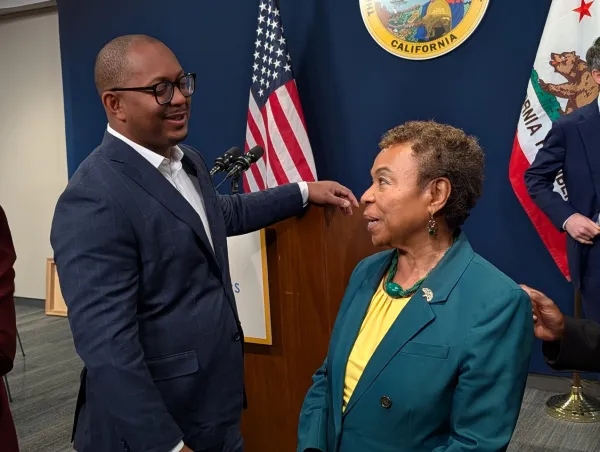
In late March, leaders from 13 of California’s largest cities stood shoulder to shoulder at the Capitol. They weren’t asking for new ideas. They were asking the state not to pull the plug.
The Homeless Housing, Assistance and Prevention program — HHAP — has been the quiet engine behind the gains. It helped cities build shelters, move people into housing, and fund the teams that keep it all running.
The proposal on the table cuts that funding from $1 billion to $500 million.
Half gone.
Riverside Mayor Patricia Lock Dawson didn’t dress it up. Without action, she said, cities could lose 6,000 shelter beds. More than 41,000 people could end up back on the street.
Long Beach Mayor Rex Richardson pointed to what happens when the money flows. His city increased shelter capacity by 84% in three years. Nearly doubled it. Moved hundreds into permanent housing.
That didn’t happen by accident. It took money, coordination, and time.
“Now is not the time to change course,” Richardson said.
But Sacramento is considering exactly that.
The state has pointed to a 9% drop in unsheltered homelessness in 2025 as proof the system is working. Even Gavin Newsom has leaned on that number.
Mayors agree — it is working.
That’s the problem.
Cut the funding now, they say, and the system stalls. Outreach teams shrink. Shelter pipelines clog. People who just got inside risk cycling back out.
In Los Angeles County, homelessness dipped 4.1% between 2024 and 2025. But the numbers tell another story underneath: Black residents remain dramatically overrepresented — 32% of the homeless population, just 8% of the county overall.
The gap hasn’t closed. It’s hardened.
Oakland tells the same story, louder. Black residents make up about 22% of the population — but more than half of those experiencing homelessness.
Funding cuts don’t hit evenly. They hit where the margins are already thin.
Back in Long Beach, the gains weren’t smooth. Wildfires in early 2025 displaced 167 people and pushed homelessness back up.
Progress isn’t a straight line. It bends with every crisis.
That’s why mayors say consistency matters more than anything else. Not spikes of funding. Not one-time fixes. A steady commitment.
They’re asking the state to lock HHAP at $1 billion annually. Make it permanent. Treat it like infrastructure.
Because that’s what it’s become.
Not a program. A system.
And right now, that system is holding — barely.
Cut it in half, and the mayors say you won’t need a study to see what happens next.
You’ll see it on the sidewalks.